Use Case Title
Flower Blooming Detection Using YOLOvX
 Team Members
- Satyaprakash Gupta
- Kaushar Halani
- Saloni Jain
- Siddhi Vartak
- Adityanath Jha
 Use Case Importance
Detecting blooming flowers can automate key processes in agriculture, gardening, and floriculture. Our solution helps monitor flowering stages in real-time, reducing manual effort and improving decision-making.
 Data Collection and Annotation
We collected 400+ real-world flower images (hibiscus, roses, etc.) using mobile phone cameras under various lighting conditions.
Classes Annotated: Unbloomed / Bloomed
Annotation Tool: Roboflow
Total Images: ~train-444/ valid-43/ test-21
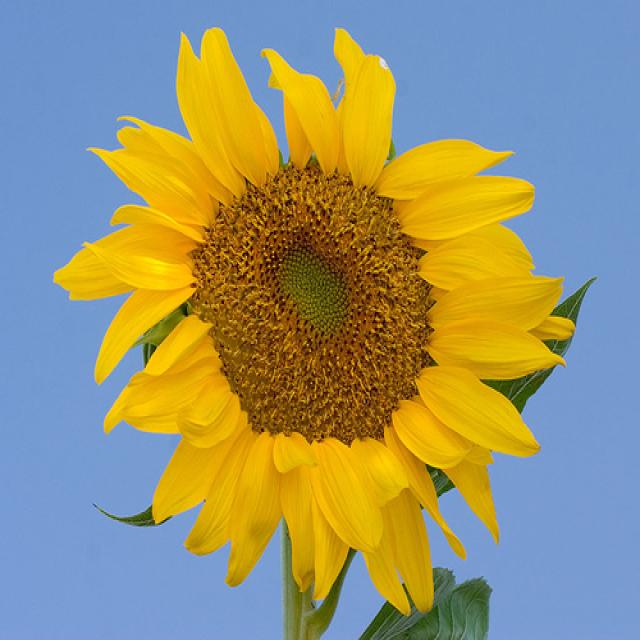
Sample Images:
 Model Training and Validation
Model Trained: YOLOv9
Metrics Monitored: mAP, precision, recall
Initial training showed good accuracy on hibiscus but lower precision on roses.
We augmented the dataset using flipping and brightness adjustment, then retrained the model to improve performance.
Training Details: 50 epochs, batch size 16, image size 640×640.
Additional Data: Initially, only 444 images were used for training, and performance was suboptimal. To improve results, additional frames were extracted from the source video, expanding the dataset to 508 images total. This significantly enhanced model training and inference performance.
 Model Deployment and Demo Video
We deployed the model into the YOLOvX mobile app.
FPS: 6–8 FPS on mid-range phones
Accuracy: ~85% in good lighting
Model Count: 1 YOLOv9 model for blooming flower detection
Demo Video Link: Google Drive Flower_Detection – Google Drive
 Conclusion
Our model accurately detects blooming flowers and is responsive in real-time mobile tests.
Challenges included lag on low-end devices and some confusion between similar flower types. We learned the importance of diverse training data and plan to improve by expanding the dataset and optimizing the model for better performance.